
Category: Clinical Trials

  • Teitur Trophics Reports Successful Phase I Results for Novel Parkinson’s Disease Peptide TT-P34

    Teitur Trophics Reports Successful Phase I Results for Novel Parkinson’s Disease Peptide TT-P34

    Teitur Trophics has announced successful completion of a Phase I clinical trial for TT-P34, described as a first-in-class peptide therapy targeting Parkinson’s disease. The announcement represents an encouraging milestone for a novel approach to addressing one of the most challenging neurodegenerative conditions affecting millions of people worldwide.

    Phase I trials are primarily designed to evaluate the safety and tolerability of a new therapeutic candidate in humans, and successful results at this stage are a critical first step before any treatment can advance toward larger studies. The fact that TT-P34 has cleared this initial hurdle suggests the peptide was well-tolerated among trial participants, paving the way for further investigation into its potential effectiveness against Parkinson’s disease symptoms and progression.

    Parkinson’s disease remains an area of significant unmet medical need, with current treatments largely focused on managing symptoms rather than addressing underlying disease mechanisms. The emergence of a peptide-based candidate specifically designed to target this condition reflects the growing interest in peptide therapeutics as a versatile and precise tool in neurology. Peptides offer researchers the ability to design molecules that can interact with specific biological pathways implicated in neurodegeneration, potentially opening doors to treatments that go beyond symptom management.

    While much work remains before TT-P34 could become an approved therapy, this successful Phase I outcome is a meaningful signal for patients, families, and the broader research community following developments in Parkinson’s disease treatment. Continued clinical development, including future Phase II and Phase III trials, will be needed to further establish the peptide’s safety profile and determine its therapeutic potential in larger and more diverse patient populations.

    The peptide research community will likely watch closely as Teitur Trophics moves forward with next steps in the development pipeline. Innovations like TT-P34 highlight the expanding role peptides are playing across various therapeutic areas, including neurology, and underscore the ongoing effort to bring new options to patients facing serious and complex conditions.

    This article is for informational purposes only and is not medical advice.


    Curated by True North Labs. More at truenorthlabs.co. Informational only – not medical advice.

    Source: Teitur Trophics announces successful results from Phase I clinical trial of first-in-class Parkinson’s disease peptide TT-P34 – The Manila Times

  • New Clinical Trial Explores TAK-664 for Immunoglobulin-Naïve Patients with Primary Immunodeficiency

    New Clinical Trial Explores TAK-664 for Immunoglobulin-Naïve Patients with Primary Immunodeficiency

    A new clinical trial is underway to explore how TAK-664, a subcutaneous immunoglobulin (IgG) replacement therapy already approved worldwide, can help patients with primary immunodeficiency diseases (PIDD) who have never before received IgG treatment. This is an important step forward for a therapy that has already helped many patients manage their conditions, as researchers now turn their attention to those just beginning treatment.

    PIDD affects the immune system’s ability to produce enough antibodies, particularly IgG, which plays a critical role in protecting the body from infections. For people newly diagnosed and starting therapy, getting IgG levels to a healthy target—and keeping them there—can be a crucial turning point in managing their health and reducing infection risk.

    This study aims to determine whether an initial dosing schedule—daily doses for five days followed by an additional dose on day eight—can effectively raise IgG levels to target ranges for these treatment-naïve patients. Researchers will also examine whether a simpler once-weekly maintenance schedule can help sustain those IgG levels over time. This kind of research is valuable because it could help clarify optimal dosing strategies for people just starting on IgG replacement therapy, potentially making the transition into treatment smoother and more predictable.

    In addition to tracking IgG levels, the study will monitor how many infections participants experience and how those infections are treated during the trial. This real-world outcome data is meaningful because it helps connect laboratory measurements of antibody levels to actual health outcomes that matter most to patients—fewer infections and better quality of life.

    Because TAK-664 is already approved for subcutaneous IgG replacement therapy in various markets, this study represents a continued effort to refine and optimize how the treatment can best serve new patient populations, including those who have not yet had the benefit of any IgG therapy. Expanding research into different patient groups and dosing schedules reflects an encouraging commitment to improving accessibility and effectiveness of care for people living with immune deficiencies.

    As with all clinical research, results will need to be evaluated over time, and this trial is still in progress. Patients and caregivers interested in learning more can find additional details through the official clinical trial registry. This article is for informational purposes only and is not intended as medical advice.


    Curated by True North Labs. More at truenorthlabs.co. Informational only – not medical advice.

    Source: Clinical Trial: A Study of TAK-664 in People With Primary Immunodeficiency Diseases Who Have Not Yet Been Treated With Immunoglobulins

  • New Trial Explores Peptide-Based Combination to Reawaken Immunotherapy in Resistant Cancers

    New Trial Explores Peptide-Based Combination to Reawaken Immunotherapy in Resistant Cancers

    A promising new clinical trial is set to investigate whether combining bexmarilimab with the established immunotherapy drug nivolumab could offer new hope for patients whose cancers have developed resistance to standard PD-1 immunotherapy treatments. The Phase I/II trial will focus specifically on two challenging cancer types: non-small cell lung cancer (NSCLC) and melanoma.

    What makes this research particularly encouraging is the underlying science. Early studies suggest that bexmarilimab may work by changing the behavior of certain immune cells within tumors, essentially helping them generate a stronger “attack signal.” This could make it easier for other immune cells to recognize and target cancer cells more effectively. For patients whose cancers have stopped responding to PD-1 inhibitors like nivolumab, this mechanism offers a potential pathway to restore the immune system’s ability to fight back against tumors that have learned to evade detection.

    The trial is structured thoughtfully in two phases. Phase I will carefully escalate doses of bexmarilimab alongside a fixed dose of nivolumab in patients with various solid tumors, allowing researchers to identify the safest and most effective dose combination. This methodical approach ensures patient safety remains a priority while researchers gather crucial data. Phase II will then apply the optimized dose to two specific patient groups—those with NSCLC and those with melanoma—to evaluate how well the combination performs in these particular cancer types.

    This research represents an important avenue of investigation for the growing challenge of immunotherapy resistance. As PD-1 inhibitors like nivolumab have become standard treatments for many cancers, a subset of patients inevitably develop resistance over time, leaving fewer options for continued treatment. If successful, this combination approach could potentially extend the effectiveness of immunotherapy for patients who might otherwise have limited choices remaining.

    The peptide and immunotherapy research community continues to explore innovative combination strategies to overcome treatment resistance, and trials like this one contribute valuable knowledge to that broader effort. As this study progresses through its phases, it will help clarify both the safety profile and potential effectiveness of this novel combination, offering a data-driven path forward for one of oncology’s persistent challenges.

    This article is for informational purposes only and is not intended as medical advice. Please consult with a qualified healthcare provider regarding any treatment decisions.


    Curated by True North Labs. More at truenorthlabs.co. Informational only – not medical advice.

    Source: Clinical Trial: Investigating the Combination of Bexmarilimab and Nivolumab in Solid Tumours, Melanoma and NSCLC

  • New Clinical Trial Launches to Study Efruxifermin for Advanced Liver Scarring from NASH/MASH

    New Clinical Trial Launches to Study Efruxifermin for Advanced Liver Scarring from NASH/MASH

    A new randomized, double-blind, placebo-controlled clinical trial has begun to evaluate efruxifermin (EFX), an investigational therapy being studied for patients with compensated cirrhosis resulting from NASH (non-alcoholic steatohepatitis) or MASH (metabolic dysfunction-associated steatohepatitis). The study, registered on ClinicalTrials.gov, represents an important step forward in the search for effective treatments for advanced liver disease.

    Efruxifermin is part of a class of engineered protein and peptide-based therapies designed to mimic the body’s natural fibroblast growth factor 21 (FGF21), a hormone involved in regulating metabolism and supporting liver health. Researchers have been exploring FGF21-based approaches because of their potential to influence how the liver processes fat and manages inflammation, both of which play a role in the progression of fatty liver disease to more serious conditions like cirrhosis.

    What makes this trial particularly encouraging is its focus on patients who already have compensated cirrhosis, a more advanced stage of liver scarring where treatment options remain limited. By specifically studying this patient population across multiple medical centers, researchers aim to gather meaningful data on how EFX may help support liver function and potentially slow or improve disease progression in people who need new options the most.

    The use of a randomized, double-blind, placebo-controlled design reflects a rigorous scientific approach, helping ensure that any observed effects can be reliably attributed to the treatment itself rather than other factors. This type of methodology is considered a gold standard in clinical research and lends credibility to the eventual findings, whatever they may show.

    For the broader peptide and metabolic health research community, this trial adds to a growing body of work exploring how engineered proteins and peptide therapies might address complex conditions like NASH and MASH, which affect millions of people worldwide and currently have few approved treatment options. As this study progresses, it will contribute valuable knowledge to help guide future research and, potentially, new treatment approaches for those affected by advanced liver disease.

    This article is for informational purposes only and is not intended as medical advice.


    Curated by True North Labs. More at truenorthlabs.co. Informational only – not medical advice.
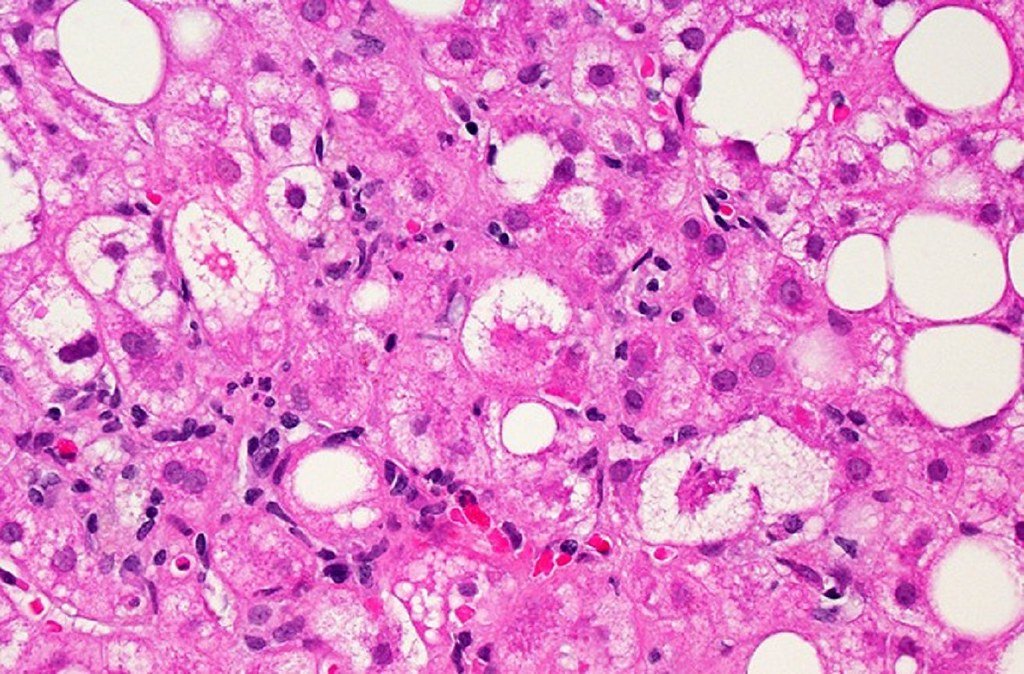
    Source: Clinical Trial: A Study Evaluating Efruxifermin in Subjects With Compensated Cirrhosis Due to NASH/MASH

  • New Phase 2/3 Trial Launches to Explore BNT327 Combination Therapy for Lung Cancer

    A new multisite, randomized clinical trial has been launched to evaluate BNT327, an investigational therapeutic agent, in combination with chemotherapy and other experimental treatments for patients newly diagnosed with non-small cell lung cancer (NSCLC). The Phase 2/3 study represents an important step forward in the ongoing effort to expand and refine treatment options for one of the most common forms of lung cancer.

    What makes this trial particularly promising is its thoughtful design: researchers have split the study into two distinct substudies, tailored to different histological subtypes of NSCLC. Because chemotherapy approaches can vary significantly depending on the specific type of lung cancer a patient has, this approach allows investigators to more precisely evaluate how BNT327 performs across different patient populations rather than applying a one-size-fits-all methodology.

    The open-label, randomized structure of the trial will allow researchers to closely monitor safety, efficacy, and pharmacokinetics as participants receive treatment. Studying how the body absorbs, distributes, and processes BNT327 alongside standard-of-care chemotherapy and other investigational agents could provide valuable insights into optimal dosing and combination strategies moving forward.

    Efforts like this reflect the broader momentum in oncology research toward combination therapies that pair emerging peptide-based or biologic agents with established treatments, aiming to improve outcomes for patients facing serious diagnoses. While results from this trial are not yet available, the initiation of a well-structured, multisite study is itself an encouraging sign of continued innovation in the fight against lung cancer.

    Patients, caregivers, and members of the research community will be watching closely as this trial progresses through its phases. As always, findings from ongoing clinical research take time to mature, and this update is intended to highlight the promise of active investigation rather than confirmed outcomes.

    This article is for informational purposes only and is not intended as medical advice.


    Curated by True North Labs. More at truenorthlabs.co. Informational only – not medical advice.

    Source: Clinical Trial: Safety, Efficacy, and Pharmacokinetics of BNT327 in Combination With Chemotherapy and Other Investigational Agents for Lung Cancer

  • Rollover Trial Ensures Continued Access to Promising KRAS-Targeted Peptide Therapy Opnurasib

    Rollover Trial Ensures Continued Access to Promising KRAS-Targeted Peptide Therapy Opnurasib

    A newly registered clinical trial on ClinicalTrials.gov signals encouraging news for patients who have been responding well to opnurasib, also known as JDQ443, an investigational KRAS G12C-targeted therapy being developed by Novartis. The study, a ‘rollover’ trial, is specifically designed to allow participants who are already experiencing benefit from opnurasib—whether used alone or in combination with other treatments—to continue receiving it beyond the scope of their original studies.

    Rollover studies like this one are an important and reassuring part of the clinical research process. When patients in earlier-phase trials show meaningful benefit from an investigational treatment, researchers and sponsors often design follow-on protocols to ensure that access to the therapy isn’t interrupted simply because the initial study has concluded. This approach reflects a growing recognition in the research community that continuity of care matters, particularly for patients who may not have many other effective options.

    Opnurasib belongs to a class of targeted therapies designed to inhibit KRAS G12C, a specific genetic mutation found in certain cancers. Peptide and small-molecule approaches targeting this mutation have generated significant interest in oncology research in recent years, as they represent a more precise way to address tumors driven by this particular genetic alteration. The fact that Novartis is investing in a dedicated rollover mechanism suggests that data from prior opnurasib studies have been promising enough to warrant continued investigation and patient access.

    Beyond simply extending access, this rollover study will continue to monitor participant safety over time, contributing valuable long-term data to the broader understanding of opnurasib’s benefit-risk profile. This kind of extended observation is valuable for the entire research community, helping to build a more complete picture of how sustained treatment with targeted peptide-based therapies performs in real-world, longer-term use.

    For patients and families following developments in targeted cancer therapies, news like this offers a hopeful signal: when a treatment is working, mechanisms exist to help ensure that progress isn’t lost. As opnurasib continues through clinical evaluation, this rollover study represents a thoughtful, patient-centered step in its development pathway. This article is for informational purposes only and is not intended as medical advice.


    Curated by True North Labs. More at truenorthlabs.co. Informational only – not medical advice.

    Source: Clinical Trial: Rollover Study for Participants Who Have Been Treated With and Are Continuing to Benefit From Opnurasib as a Single Agent or in Combination With Other Study Treatments

  • New Clinical Trial Explores Peptide-Targeted Radiotherapy for GRPR-Positive Tumors

    New Clinical Trial Explores Peptide-Targeted Radiotherapy for GRPR-Positive Tumors

    A newly launched multicenter Phase 1-1b clinical trial is set to evaluate an innovative peptide-based approach to treating solid tumors that express the Gastrin-Releasing Peptide Receptor (GRPR). The study will investigate two radiolabeled peptide compounds, [177Lu]Lu-A9-0631 and [225Ac]Ac-A9-0642, alongside companion imaging agents [68Ga]Ga-A9-6217 or [177Lu]Lu-A9-0631, in patients with locally advanced, unresectable, or metastatic disease.

    This research reflects a growing and exciting trend in oncology known as theranostics, where peptides are engineered to both find and treat cancer. By targeting GRPR, a receptor commonly overexpressed on certain tumor cells, these peptide constructs are designed to deliver radioactive isotopes directly to cancerous tissue while sparing healthy cells. The imaging component allows physicians to first visualize whether a patient’s tumor expresses the target receptor, potentially enabling more personalized treatment decisions before therapy even begins.

    The trial’s primary goals include assessing safety, dosimetry, and preliminary efficacy signals, foundational steps that are essential before any peptide therapy can advance toward wider use. Peptide-receptor radionuclide therapies have already shown meaningful benefit in other cancer types, such as neuroendocrine tumors, so extending this targeted strategy to GRPR-expressing solid tumors represents a promising area of exploration for patients who may have limited treatment options.

    What makes this approach particularly encouraging is its dual-purpose design: the same peptide scaffold can be adapted for both diagnostic imaging and therapeutic delivery. This kind of precision medicine strategy underscores how far peptide science has advanced, moving beyond simple hormone analogs toward sophisticated molecular delivery systems capable of carrying therapeutic payloads exactly where they’re needed.

    While it will take time for results from this early-phase study to emerge, its initiation marks a meaningful step forward in expanding the toolkit of peptide-based cancer therapies. As research progresses, studies like this one help pave the way for more targeted, potentially better-tolerated treatment options in oncology.

    This article is for informational purposes only and is not medical advice.


    Curated by True North Labs. More at truenorthlabs.co. Informational only – not medical advice.

    Source: Clinical Trial: A Study of [177Lu]Lu-A9-0631 and [225Ac]Ac-A9-0642 With [68Ga]Ga-A9-6217 or [177Lu]Lu-A9-0631 Imaging in GRPR+ Solid Tumors

  • New Clinical Trial Explores Long-Term Tirzepatide Treatment for Adolescents with Obesity

    A new clinical trial registered on ClinicalTrials.gov is set to explore how tirzepatide, a peptide-based medication already showing promise in adult obesity treatment, may benefit adolescents living with obesity and related health conditions. Known as SURMOUNT-ADOLESCENTS-2, the study will run for approximately 76 weeks and will monitor participants through up to 23 clinic visits, giving researchers a detailed look at how the treatment performs over an extended period.

    What makes this study particularly encouraging is its focus on young people who have already completed a previous 72-week study (referred to as GPIX) and are within a short window of stopping treatment. These adolescents will now have the opportunity to continue receiving tirzepatide for an additional 156 weeks, paired with ongoing support for healthy nutrition and physical activity. This extended-access design reflects a thoughtful approach to understanding not just short-term results, but how sustained treatment combined with lifestyle changes might support long-term health outcomes in youth.

    Adolescent obesity is often accompanied by additional health challenges, including cardiovascular risk factors, making it a complex condition to manage. By evaluating tirzepatide’s effects on both bodyweight and cardiovascular markers, this trial aims to build a fuller picture of how the treatment might support overall health in younger patients, not just weight-related outcomes. Pairing pharmacological treatment with structured lifestyle guidance also underscores a comprehensive, whole-health approach to care.

    Trials like this one are an important step in expanding safe, evidence-based options for adolescents facing obesity and its associated health risks. As the study progresses, it has the potential to contribute meaningful data that could inform future treatment guidelines and give clinicians more tools to support young patients over the long term. The peptide research community will be watching closely as this study unfolds, hopeful that it will add to the growing body of evidence supporting thoughtful, well-monitored interventions for adolescent health.

    This article is for informational purposes only and is not intended as medical advice.


    Curated by True North Labs. More at truenorthlabs.co. Informational only – not medical advice.

    Source: Clinical Trial: A Study of Tirzepatide in Adolescents With Obesity and Weight-Related Comorbidities (SURMOUNT-ADOLESCENTS-2)

  • New Clinical Trial Explores Combination Therapy for Metastatic Soft Tissue Sarcoma

    New Clinical Trial Explores Combination Therapy for Metastatic Soft Tissue Sarcoma

    Researchers have launched a new clinical trial to evaluate a combination therapy approach for patients battling metastatic soft tissue sarcoma (mSTS), a challenging group of cancers that includes myxofibrosarcoma, undifferentiated pleomorphic sarcoma, dedifferentiated liposarcoma, cutaneous angiosarcoma, and undifferentiated sarcoma. The study, registered on ClinicalTrials.gov, will investigate whether pairing the targeted therapy zanzalintinib with the established immunotherapy agents ipilimumab and nivolumab can offer a well-tolerated and effective treatment strategy for these difficult-to-treat cancers.

    Soft tissue sarcomas represent a diverse and often treatment-resistant category of cancers, making the search for new therapeutic combinations especially important. By combining a targeted agent with two immune checkpoint inhibitors that are already used in various cancer treatments, investigators hope to harness multiple mechanisms of action simultaneously — potentially improving outcomes for patients who currently have limited options.

    This trial reflects a broader trend in oncology research toward combination therapies that pair targeted treatments with immunotherapy. The rationale behind this approach is that while ipilimumab and nivolumab work to boost the immune system’s ability to recognize and attack cancer cells, zanzalintinib may help by targeting specific pathways involved in tumor growth and blood vessel formation, potentially creating a more favorable environment for the immune therapies to work effectively.

    While this trial is still in its early stages and results have not yet been reported, the initiation of this study represents a meaningful step forward for the sarcoma research community. Metastatic soft tissue sarcomas have historically been difficult to treat, and any new avenue of investigation offers hope for patients and families affected by these rare cancers. The scientific community will be watching closely as this trial progresses to see whether this combination approach can improve tolerability and efficacy compared to existing treatment options.

    This article is for informational purposes only and is not intended as medical advice.


    Curated by True North Labs. More at truenorthlabs.co. Informational only – not medical advice.

    Source: Clinical Trial: Zanzalintinib in Combination With Ipilimumab and Nivolumab in Patients With Metastatic Soft Tissue Sarcoma

  • New Study to Explore Real-World Impact of Inbrija® on Parkinson’s OFF Episodes

    A new clinical study is set to explore how people living with Parkinson’s disease experience treatment with Inbrija®, an inhaled form of levodopa designed to provide rapid relief during “OFF” episodes. These episodes occur when the effects of standard Parkinson’s medication wear off between doses, temporarily bringing back symptoms like tremors, stiffness, and slowed movement. For many patients, these unpredictable episodes can disrupt daily routines and reduce quality of life.

    Unlike traditional efficacy trials, this study takes a real-world approach by observing how Inbrija® is used in the course of standard clinical care, rather than in a tightly controlled experimental setting. Researchers will use a mixed-methods design, combining patient-reported outcomes with qualitative insights to build a fuller picture of the patient experience. The goal is to understand not just whether the medication helps, but how it fits into patients’ lives, what motivates them to use it, and how their symptoms, daily functioning, and overall wellbeing shift over the first three months of treatment.

    The study will take place across approximately seven clinical sites in Austria, Germany, and Sweden, enrolling up to 120 participants who are already using Inbrija® as part of their prescribed care. By focusing on routine clinical practice rather than a controlled trial environment, the research aims to capture insights that are highly relevant to everyday patient experiences—information that can be valuable for both patients and healthcare providers navigating treatment decisions for OFF episodes.

    This kind of real-world evidence gathering represents an encouraging trend in Parkinson’s disease research, as it centers patient voices and lived experiences alongside clinical measures. Understanding how a therapy performs in the diversity of everyday life—not just in a research lab—can help refine care approaches and support more informed conversations between patients and their medical teams about managing OFF episodes.

    As the Parkinson’s community continues to seek better tools for managing the unpredictable nature of this condition, studies like this one contribute valuable knowledge about how existing therapies can be optimized to improve day-to-day life. This information is for informational purposes only and is not intended as medical advice.


    Curated by True North Labs. More at truenorthlabs.co. Informational only – not medical advice.

    Source: Clinical Trial: Real-world Patient Experiences With Inbrija®