Category: Clinical Trials

  • Exploring Clinical Trials: A Pathway to Accessing Investigational Peptide Retatrutide

    Retatrutide has generated significant interest in the peptide research community as a triple-action compound that engages GLP-1, GIP, and glucagon receptors simultaneously. Early-phase studies have shown encouraging results for weight management support, making it one of the most closely watched investigational peptides in development today. For those curious about this emerging compound, participating in a clinical trial represents the most legitimate and scientifically supervised way to access it before any potential regulatory approval.

    Clinical trials serve a dual purpose: they help researchers gather critical safety and efficacy data while giving participants access to cutting-edge treatments under professional medical supervision. Trials for compounds like retatrutide typically involve rigorous screening processes, regular health monitoring, and structured protocols designed by medical researchers. This oversight offers a level of safety and data transparency that simply isn’t available through unregulated sources.

    Finding an active trial usually starts with searching registries such as ClinicalTrials.gov, where studies are listed by compound, condition, and location. Many pharmaceutical sponsors and academic medical centers also maintain their own recruitment pages. Prospective participants generally need to meet specific eligibility criteria related to health history, body composition, and other factors, and undergo a screening visit before enrollment is confirmed.

    The growing number of trials investigating retatrutide reflects broader momentum in the peptide research field, as scientists continue to explore multi-receptor agonists as a next step beyond single-target therapies. This kind of innovation is encouraging for anyone following the evolution of metabolic health research, as it suggests a expanding toolkit of options may become available in the years ahead, pending successful trial outcomes and regulatory review.

    For those considering trial participation, speaking with a healthcare provider about individual eligibility and expectations is an important first step. Being part of a clinical trial is a meaningful contribution to science, helping bring potential new therapies closer to broader availability. This article is for informational purposes only and is not medical advice.


    Curated by True North Labs. More at truenorthlabs.co. Informational only – not medical advice.

    Source: How to get retatrutide with a clinical trial – Ro

  • Mazdutide Shows Promising Results for Weight and Waist Reduction in Major Trial

    Mazdutide Shows Promising Results for Weight and Waist Reduction in Major Trial

    Exciting news is emerging from the world of metabolic health research: mazdutide, an investigational peptide-based therapy, has demonstrated significant reductions in both body weight and waist circumference in a major clinical trial. This dual-action benefit is particularly encouraging, as waist size is often used by researchers as an indicator of visceral fat and related metabolic health markers.

    Mazdutide belongs to a class of peptide therapeutics designed to act on receptors involved in appetite regulation and energy metabolism, similar in concept to other GLP-1 based approaches that have reshaped the obesity treatment landscape in recent years. The latest trial results add mazdutide to a growing list of peptide candidates showing real promise for people seeking additional options in weight management support.

    What makes this trial particularly noteworthy is the scale and rigor behind it. Large trials that track multiple metrics — not just weight on the scale, but also waist measurements — provide a fuller picture of how a therapy may influence overall body composition. Reductions in waist circumference alongside weight loss suggest that mazdutide may be helping address fat distribution patterns that are often linked to broader health considerations.

    For the peptide research community, results like these are meaningful because they reinforce the potential of peptide-based approaches to play a expanding role in future metabolic therapies. As more data becomes available, researchers will likely continue to explore how mazdutide compares to existing options and whether it might offer unique advantages in terms of tolerability, dosing convenience, or magnitude of effect.

    While mazdutide remains under clinical investigation and is not yet a widely available treatment, developments like this trial mark encouraging progress in the pipeline of peptide therapeutics aimed at supporting healthier body weight and metabolic outcomes. As always, we look forward to sharing further updates as more research unfolds. This article is for informational purposes only and is not medical advice.


    Curated by True North Labs. More at truenorthlabs.co. Informational only – not medical advice.

    Source: Obesity drug mazdutide reduces weight and waist size in major trial – News-Medical

  • New Clinical Trial Explores Adding Durvalumab to Chemotherapy for Upper Urinary Tract Cancer

    New Clinical Trial Explores Adding Durvalumab to Chemotherapy for Upper Urinary Tract Cancer

    A new phase II/III clinical trial is underway to explore whether adding durvalumab, an immunotherapy monoclonal antibody, to standard chemotherapy before surgery can improve treatment outcomes for patients with high-grade upper urinary tract cancer. The study, registered on ClinicalTrials.gov, compares outcomes between patients receiving durvalumab plus chemotherapy and those receiving chemotherapy alone prior to surgical intervention.

    Durvalumab works by helping the immune system recognize and attack cancer cells, potentially enhancing the body’s natural defenses against tumor growth. When paired with established chemotherapy drugs such as cisplatin, gemcitabine, and doxorubicin, researchers hope the combination may lead to greater tumor shrinkage before surgery compared to chemotherapy alone. This approach, known as neoadjuvant therapy, aims to make surgical removal of the cancer more effective by reducing tumor size beforehand.

    Upper urinary tract cancers, which affect the renal pelvis and ureter, are relatively rare and can be challenging to treat effectively. Trials like this one represent an important step in expanding the range of therapeutic options available to patients, particularly by testing whether combining immunotherapy with traditional chemotherapy regimens offers additional benefit. The scientific rationale behind the combination is grounded in the complementary mechanisms of the two treatment types—chemotherapy directly targets rapidly dividing cancer cells, while immunotherapy works to boost the immune system’s own cancer-fighting capabilities.

    This kind of research reflects the ongoing efforts within oncology to refine and personalize treatment approaches, potentially offering patients better outcomes and more effective paths toward remission. As the trial progresses, it will contribute valuable data to the broader understanding of how immunotherapy can be integrated into treatment protocols for less common cancers, potentially opening doors for future advances in care.

    This article is for informational purposes only and is not intended as medical advice. Patients interested in clinical trials should consult with their healthcare provider.


    Curated by True North Labs. More at truenorthlabs.co. Informational only – not medical advice.

    Source: Clinical Trial: Testing the Addition of MEDI4736 (Durvalumab) to Chemotherapy Before Surgery for Patients With High-Grade Upper Urinary Tract Cancer

  • New Clinical Trial Explores Glofitamab as a Promising Option for Relapsed Mantle Cell Lymphoma

    New Clinical Trial Explores Glofitamab as a Promising Option for Relapsed Mantle Cell Lymphoma

    A newly registered clinical trial is set to evaluate glofitamab, an innovative immunotherapy, as a potential treatment for patients battling relapsed or refractory mantle cell lymphoma (MCL). This study, listed on ClinicalTrials.gov, will compare glofitamab used alone against two established treatment approaches chosen by physicians: a combination of rituximab and bendamustine, or a combination of lenalidomide and rituximab.

    Mantle cell lymphoma is a rare and often aggressive form of non-Hodgkin lymphoma, and patients whose disease returns or resists initial treatment frequently face limited options. The launch of this trial reflects ongoing efforts within the research community to expand the toolkit available to oncologists and give patients renewed hope when earlier therapies have not achieved lasting results.

    Glofitamab represents a class of therapies designed to help the body’s own immune system recognize and target cancer cells more effectively. By directly comparing this approach to well-established combination therapies, researchers aim to gather clear evidence about whether this newer option can offer meaningful benefits, whether in effectiveness, tolerability, or overall patient experience.

    Studies like this one are an important part of how medicine advances—systematically testing new approaches against reliable standards of care ensures that any therapy which reaches wider use has been rigorously vetted. For patients and families affected by relapsed or refractory MCL, the initiation of this trial is an encouraging sign that new possibilities are actively being explored, and that the scientific community remains committed to improving outcomes for those with this diagnosis.

    As with all clinical research, results will take time, and enrollment and study completion are the next milestones to watch. Patients interested in learning more about trial eligibility should consult with their healthcare providers. This article is for informational purposes only and is not intended as medical advice.


    Curated by True North Labs. More at truenorthlabs.co. Informational only – not medical advice.

    Source: Clinical Trial: A Study to Evaluate Glofitamab as a Single Agent vs. Investigator’s Choice in Participants With Relapsed/Refractory Mantle Cell Lymphoma

  • New Clinical Trial Explores Nivolumab Plus Chemotherapy for Nasopharyngeal Carcinoma

    New Clinical Trial Explores Nivolumab Plus Chemotherapy for Nasopharyngeal Carcinoma

    Researchers have launched a phase II clinical trial to evaluate a new treatment approach for nasopharyngeal carcinoma (NPC), a rare cancer that forms in the upper part of the throat behind the nose. The study is testing whether combining the immunotherapy drug nivolumab with established chemotherapy agents, gemcitabine and cisplatin, before radiation therapy can improve how well the body responds to treatment.

    Nivolumab belongs to a class of therapies known as monoclonal antibodies, which work by helping the immune system recognize and attack cancer cells more effectively. When paired with chemotherapy drugs that target tumor growth through different mechanisms, researchers hope the combination may offer a more comprehensive attack on the cancer before patients undergo radiation.

    One particularly encouraging aspect of this trial is its focus on children with NPC. The study aims to determine whether young patients might be able to receive reduced doses of radiation therapy while still achieving effective treatment outcomes. Since radiation therapy can carry long-term side effects, especially in developing bodies, finding ways to minimize exposure without sacrificing effectiveness would represent a meaningful advance in pediatric cancer care.

    This kind of research reflects a broader trend in oncology: combining immunotherapy with traditional treatments to potentially boost effectiveness while working to reduce the burden of side effects on patients. By carefully studying both the benefits and any risks of adding nivolumab to the treatment regimen, researchers aim to build a clearer picture of how this combination performs in real-world patient populations.

    Trials like this one are an important part of the broader effort to refine cancer treatment protocols, offering hope that future patients, including children, may benefit from therapies that are both effective and gentler on the body. As the trial progresses, its findings could help shape future treatment guidelines for this rare form of cancer.

    This article is for informational purposes only and is not intended as medical advice.


    Curated by True North Labs. More at truenorthlabs.co. Informational only – not medical advice.
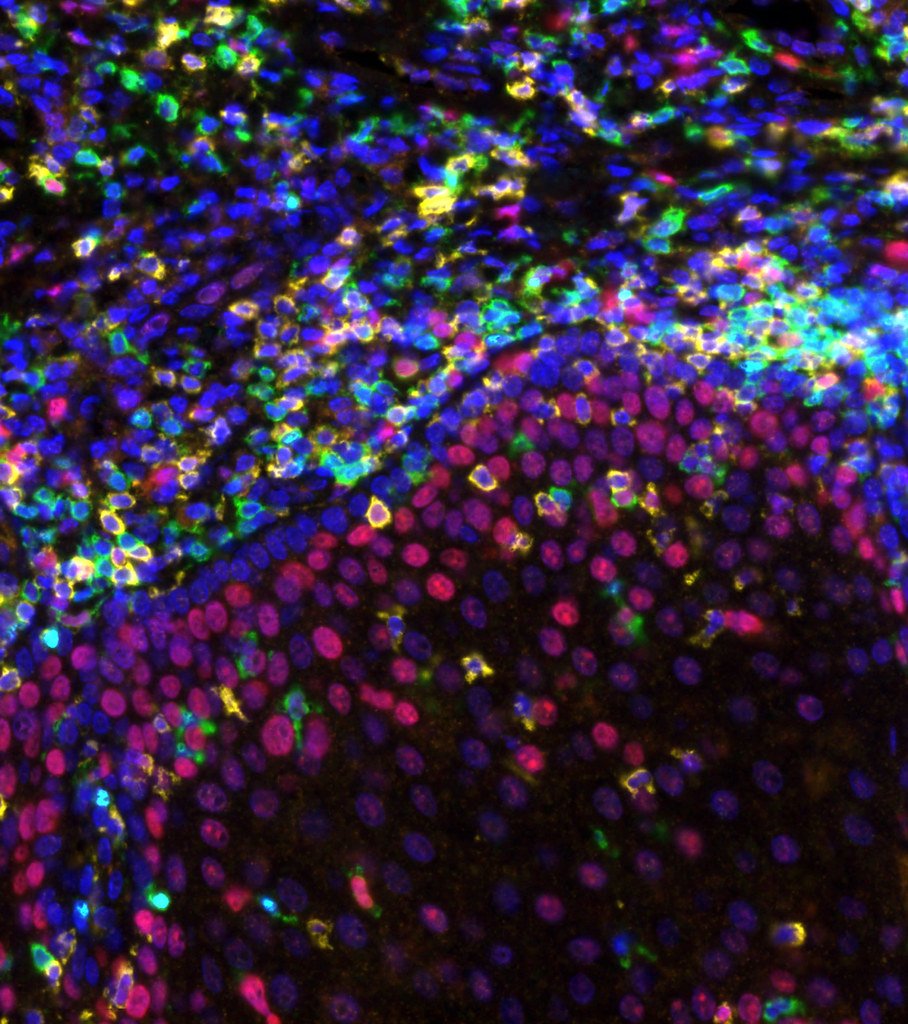
    Source: Clinical Trial: A Study Using Nivolumab, in Combination With Chemotherapy Drugs to Treat Nasopharyngeal Carcinoma (NPC)

  • New Clinical Trial Explores Targeted Radioactive Therapy for Rare Thyroid Cancer

    Researchers are launching a new clinical trial to evaluate a promising radioactive peptide drug called 177Lu-DOTA-EB-TATE as a potential treatment for oncocytic (Hurthle cell) thyroid cancer, a rare and difficult-to-treat form of the disease. This trial specifically targets patients whose cancer has spread to other parts of the body and has stopped responding to conventional radioactive iodine treatment, a group that currently has very limited therapeutic options.

    The investigational drug works by targeting a specific protein that appears in high concentrations on the surface of Hurthle cell cancer cells. By attaching a radioactive isotope to a peptide that binds this protein, researchers hope to deliver targeted radiation directly to tumor cells while sparing healthy tissue as much as possible. This precision approach, sometimes called peptide receptor radionuclide therapy, has shown encouraging results in other cancer types and represents an exciting frontier in oncology.

    Eligible participants will undergo careful screening, including physical exams, blood tests, imaging scans, and heart function tests, to ensure the treatment is appropriate for them. The trial protocol involves four infusions of the study drug spaced 8 to 12 weeks apart, with brief hospital stays for monitoring after each dose. Advanced SPECT imaging will allow researchers to track exactly where the drug is binding within the body, providing valuable data on how well the treatment is reaching tumor sites.

    Importantly, the trial design includes extensive follow-up care, with participants monitored for up to five years after their final treatment. This includes quality-of-life questionnaires to assess how the treatment affects patients’ daily lives, not just tumor response. Such thorough, patient-centered follow-up reflects a growing emphasis in cancer research on evaluating both efficacy and overall well-being.

    For patients facing a rare cancer with historically few options, this trial offers a meaningful new avenue for potential treatment and represents continued innovation in the field of targeted radiopharmaceuticals. As peptide-based therapies continue to advance, they may open doors for patients with other treatment-resistant cancers as well. This article is for informational purposes only and is not intended as medical advice.


    Curated by True North Labs. More at truenorthlabs.co. Informational only – not medical advice.

    Source: Clinical Trial: 177Lu-DOTA-EB-TATE in Adult Patients With Metastatic, Radioactive Iodine Non-Responsive Oncocytic (Hurthle-Cell) Thyroid Cancer

  • New Clinical Trial Explores How Collagen Peptides May Help Knee Osteoarthritis

    New Clinical Trial Explores How Collagen Peptides May Help Knee Osteoarthritis

    A newly launched clinical trial is set to take a closer look at how collagen peptide supplements may support people living with knee osteoarthritis, a condition that affects millions and often leads to persistent joint pain and reduced mobility. The study, registered on ClinicalTrials.gov and conducted at a hospital in Türkiye, will compare two different collagen formulations against a placebo to better understand their potential benefits.

    Participants between the ages of 35 and 65 with diagnosed unilateral knee osteoarthritis will be randomly assigned to one of three groups: a hydrolyzed bovine collagen peptide group, a lower molecular weight bioactive collagen peptide group, or a placebo group. Over eight weeks, participants will take their assigned daily supplement, and researchers will track changes using a range of well-established questionnaires covering joint stiffness, physical function, quality of life, and detailed pain patterns.

    What makes this study particularly interesting is its more nuanced approach to measuring pain. Rather than relying solely on standard pain scales, the research team plans to examine different pain patterns, including central sensitization, a phenomenon where the nervous system becomes more responsive to pain signals over time. This deeper look could help clarify not just whether collagen supplementation helps, but how and in what ways it might improve the day-to-day experience of people managing osteoarthritis.

    Because the trial is double-blind, neither participants nor evaluators will know who received which supplement, helping ensure the results are as objective as possible. By comparing two distinct collagen formulations rather than just one product against placebo, the study could also offer useful insights into whether molecular weight or formulation differences influence outcomes.

    While results are still to come, the launch of this trial reflects a growing scientific interest in better understanding how nutritional peptides might support joint health and quality of life for people with osteoarthritis. As the field continues to explore more comprehensive ways of measuring patient outcomes, studies like this one may help pave the way for more personalized, evidence-based approaches to joint care in the future.

    This article is for informational purposes only and is not intended as medical advice.


    Curated by True North Labs. More at truenorthlabs.co. Informational only – not medical advice.

    Source: Clinical Trial: Effects of Different Collagen Formulations on Knee Osteoarthritis

  • ComboMATCH Screening Trial Opens New Doors for Precision Cancer Treatment

    ComboMATCH Screening Trial Opens New Doors for Precision Cancer Treatment

    A promising new clinical trial initiative called ComboMATCH is now underway, offering a fresh approach to treating patients with locally advanced or advanced solid tumors. Rather than relying on a one-size-fits-all treatment plan, this screening trial uses genetic testing to identify specific mutations within a patient’s tumor, then works to match that patient with a targeted therapy combination designed to address those particular genetic changes.

    The trial is specifically designed for patients whose cancer has progressed despite prior treatment, or for whom no standard therapy has been shown to extend survival — a population that often has limited options. By serving as a screening gateway to a broader network of coordinated clinical trials, ComboMATCH aims to streamline the process of connecting these patients with therapies that are more likely to be effective based on their tumor’s unique genetic profile.

    This approach reflects the growing momentum behind precision oncology, a field built on the idea that understanding the genetic drivers of a tumor can lead to smarter, more personalized treatment decisions. Instead of guessing which therapy might work, doctors can use genetic data to guide their choices, potentially improving outcomes while also helping researchers learn more about which mutations respond best to which combination treatments.

    What makes ComboMATCH especially encouraging is its scale and structure. By functioning as a centralized screening effort feeding into multiple downstream studies, it creates a more efficient pathway for matching patients to appropriate trials, reducing time and uncertainty for people who may have already tried multiple treatment approaches. This kind of coordinated infrastructure represents a meaningful step forward in how the research community organizes and delivers genetically-informed cancer care.

    For patients and families navigating advanced solid tumors, initiatives like ComboMATCH offer a hopeful glimpse into the future of oncology — one where treatment decisions are increasingly guided by the specific biology of a person’s cancer rather than broad categories of disease. As this trial and its associated studies progress, they may help expand the range of options available to patients who need them most.

    This article is for informational purposes only and is not intended as medical advice. Patients interested in clinical trials should speak with their healthcare provider.


    Curated by True North Labs. More at truenorthlabs.co. Informational only – not medical advice.

    Source: Clinical Trial: Targeted Therapy Directed by Genetic Testing in Treating Patients With Locally Advanced or Advanced Solid Tumors, The ComboMATCH Screening Trial

  • Asahi Kasei Advances Novel Peptide Candidate Into Phase I Trial for Autoimmune Diseases

    Asahi Kasei, a major Japanese chemical and pharmaceutical company, has announced the initiation of a Phase I clinical trial for a novel peptide candidate designed to target autoimmune diseases. This marks an important early milestone in the development pipeline, as the company moves its peptide-based therapeutic approach from preclinical research into human testing.

    Autoimmune diseases, which occur when the immune system mistakenly attacks the body’s own tissues, affect millions of people worldwide and often require long-term management. The development of new peptide-based therapies represents a growing area of interest in medicine, as peptides can be designed to interact with specific biological pathways with a high degree of precision, potentially offering more targeted treatment options compared to broader immunosuppressive therapies.

    Phase I trials are the first stage of testing in humans and are primarily focused on evaluating the safety, tolerability, and dosing of a new candidate. While it is still early in the development process, the initiation of this trial reflects meaningful progress from laboratory research toward a therapy that could one day benefit patients living with autoimmune conditions.

    Asahi Kasei’s move into clinical testing also highlights the broader momentum in the peptide therapeutics field, where pharmaceutical companies continue to explore innovative molecules for conditions that have historically been difficult to treat. Successful early-stage trials often pave the way for larger studies that further examine efficacy and long-term safety.

    As this trial progresses, the peptide research community will be watching closely for updates on safety data and any signals of therapeutic potential. This is for informational purposes only and is not medical advice.


    Curated by True North Labs. More at truenorthlabs.co. Informational only – not medical advice.

    Source: Asahi Kasei Announces Initiation of Phase I Clinical Trial for Novel Peptide Candidate Targeting Autoimmune Diseases – BioSpace

  • Lilly’s Retatrutide Hits Major Milestone: Phase 3 Trial Shows Significant Weight Loss and Osteoarthritis Pain Relief

    Eli Lilly has announced encouraging results from the first successful Phase 3 trial of retatrutide, an investigational triple agonist peptide designed to target three key metabolic hormone receptors simultaneously. The trial reported an average weight loss of up to 71.2 pounds among participants, marking one of the most substantial results seen yet in this rapidly evolving class of metabolic therapies.

    What makes this trial particularly notable is that it didn’t just measure weight loss. Researchers also tracked improvements in osteoarthritis-related joint pain, and participants experienced substantial relief on that front as well. Osteoarthritis is a condition often exacerbated by excess body weight, particularly in weight-bearing joints like the knees and hips, so the dual benefit suggests retatrutide may offer meaningful quality-of-life improvements that extend beyond the scale.

    Retatrutide works by engaging three separate receptor pathways: GLP-1, GIP, and glucagon. This triple-action approach builds on the success of earlier dual-agonist and single-agonist peptides already available for weight management and metabolic health, and researchers have been optimistic that hitting multiple pathways at once could unlock even greater benefits for patients struggling with obesity and related conditions.

    This successful Phase 3 result is an important step toward potential regulatory review and, eventually, broader access for patients. Positive Phase 3 outcomes are typically the last major clinical hurdle before a therapy can be submitted for approval, so this milestone brings retatrutide meaningfully closer to becoming available to the people who might benefit from it most.

    For the peptide research and metabolic health community, this trial represents another encouraging sign that the next generation of these therapies may deliver even more comprehensive benefits, addressing not just weight but the painful joint conditions that so often accompany excess weight. As Lilly continues to move through the clinical and regulatory process, many will be watching closely for further data and next steps.

    This article is for informational purposes only and is not intended as medical advice. Please consult a qualified healthcare provider for guidance specific to your situation.


    Curated by True North Labs. More at truenorthlabs.co. Informational only – not medical advice.

    Source: Lilly’s triple agonist, retatrutide, delivered weight loss of up to an average of 71.2 lbs along with substantial relief from osteoarthritis pain in first successful Phase 3 trial – Eli Lilly