A recent industry report has drawn attention to a peptide compound undergoing clinical testing for its potential to support nerve repair following spinal cord injury. Spinal cord injuries are notoriously difficult to treat because damaged nerve fibers in the central nervous system have a limited natural capacity to regenerate, often leading to permanent loss of sensation or movement below the site of injury.
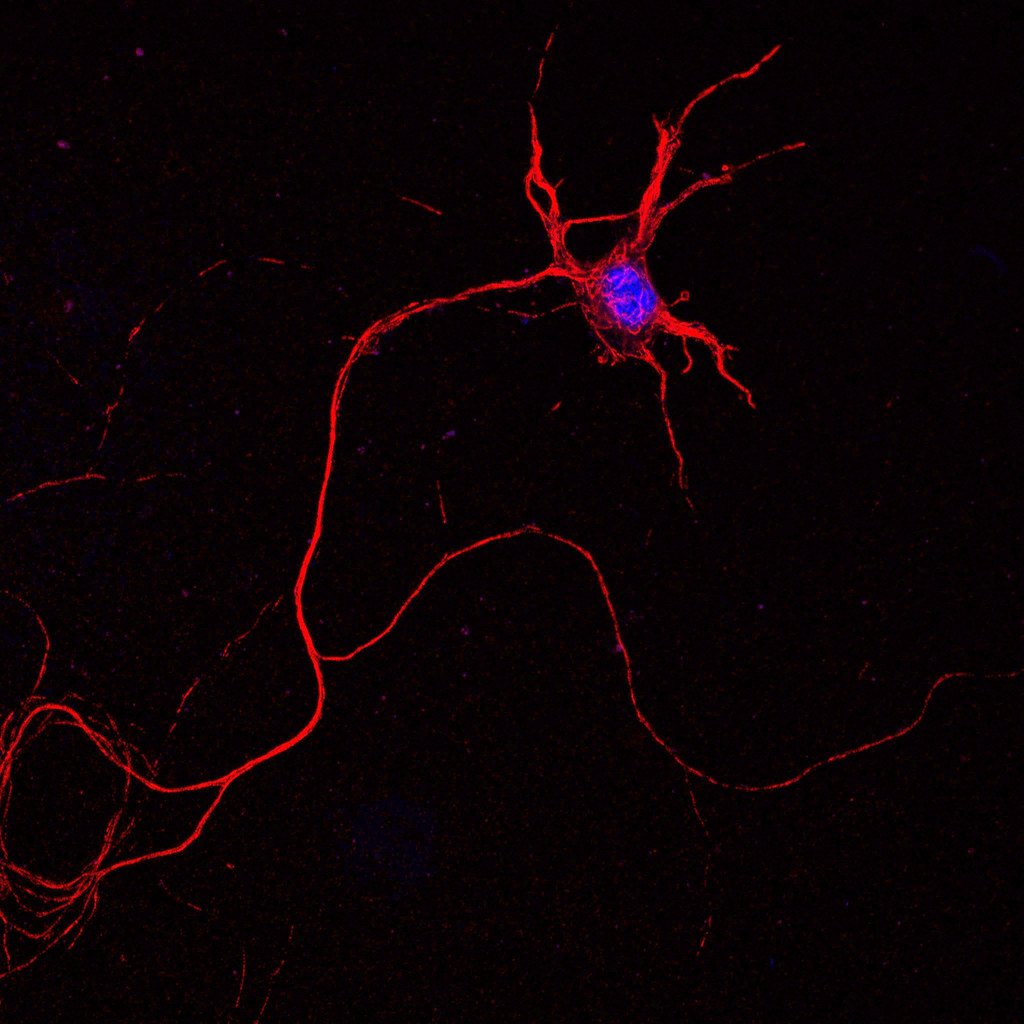
Peptides—short chains of amino acids that can influence cell signaling—have become an area of growing interest in regenerative medicine because of their ability to target specific biological pathways with relatively high precision. In the context of spinal cord injury, researchers have been exploring peptides that may help calm the inflammatory response that follows trauma, protect surviving nerve cells, and potentially encourage axons, the long fibers that transmit nerve signals, to regrow across the injury site. Some peptide candidates are designed to interact with scar tissue that typically forms after injury and can act as a physical and chemical barrier to nerve regeneration.
According to the report, an early clinical trial evaluating one such peptide has produced findings described as encouraging, though specific details about the trial’s design, patient population, dosing, and measured outcomes were not extensively outlined in the available coverage. As with most early-phase studies, any observed benefits would typically need to be confirmed through larger, controlled trials before conclusions can be drawn about safety and effectiveness in a broader patient population.
Spinal cord injury research has historically faced significant challenges in translating promising laboratory results into consistent clinical benefits, given the complexity of nervous system repair and the variability in how patients respond to treatment. Experts in the field generally emphasize that meaningful recovery of function often depends on multiple factors, including the severity and location of the injury, the timing of intervention, and whether therapies are combined with rehabilitation approaches such as physical therapy.
True North Labs will continue to monitor developments in this area as more detailed data becomes available, including peer-reviewed publications or regulatory filings that could shed further light on the peptide’s mechanism, trial design, and long-term outcomes. This article is for informational purposes only and is not intended as medical advice.
Curated by True North Labs. More at truenorthlabs.co. Informational only — not medical advice.
Source: Breakthrough peptide repairs nerves after spinal cord injury in clinical trial – BioXconomy