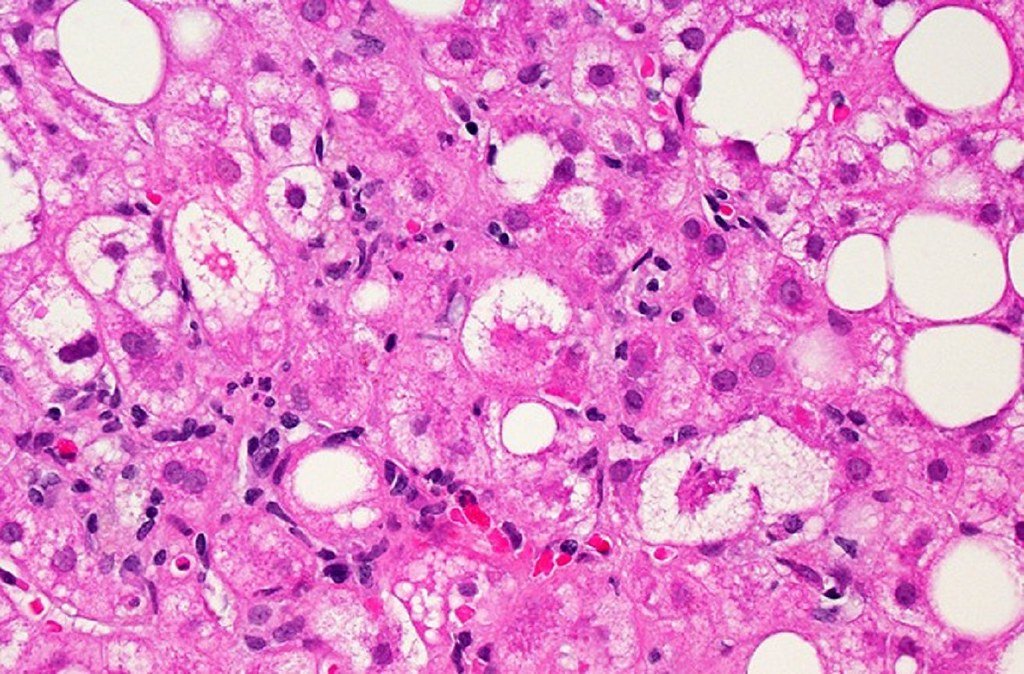
A new randomized, double-blind, placebo-controlled clinical trial has begun to evaluate efruxifermin (EFX), an investigational therapy being studied for patients with compensated cirrhosis resulting from NASH (non-alcoholic steatohepatitis) or MASH (metabolic dysfunction-associated steatohepatitis). The study, registered on ClinicalTrials.gov, represents an important step forward in the search for effective treatments for advanced liver disease.
Efruxifermin is part of a class of engineered protein and peptide-based therapies designed to mimic the body’s natural fibroblast growth factor 21 (FGF21), a hormone involved in regulating metabolism and supporting liver health. Researchers have been exploring FGF21-based approaches because of their potential to influence how the liver processes fat and manages inflammation, both of which play a role in the progression of fatty liver disease to more serious conditions like cirrhosis.
What makes this trial particularly encouraging is its focus on patients who already have compensated cirrhosis, a more advanced stage of liver scarring where treatment options remain limited. By specifically studying this patient population across multiple medical centers, researchers aim to gather meaningful data on how EFX may help support liver function and potentially slow or improve disease progression in people who need new options the most.
The use of a randomized, double-blind, placebo-controlled design reflects a rigorous scientific approach, helping ensure that any observed effects can be reliably attributed to the treatment itself rather than other factors. This type of methodology is considered a gold standard in clinical research and lends credibility to the eventual findings, whatever they may show.
For the broader peptide and metabolic health research community, this trial adds to a growing body of work exploring how engineered proteins and peptide therapies might address complex conditions like NASH and MASH, which affect millions of people worldwide and currently have few approved treatment options. As this study progresses, it will contribute valuable knowledge to help guide future research and, potentially, new treatment approaches for those affected by advanced liver disease.
This article is for informational purposes only and is not intended as medical advice.
Curated by True North Labs. More at truenorthlabs.co. Informational only – not medical advice.
Leave a Reply