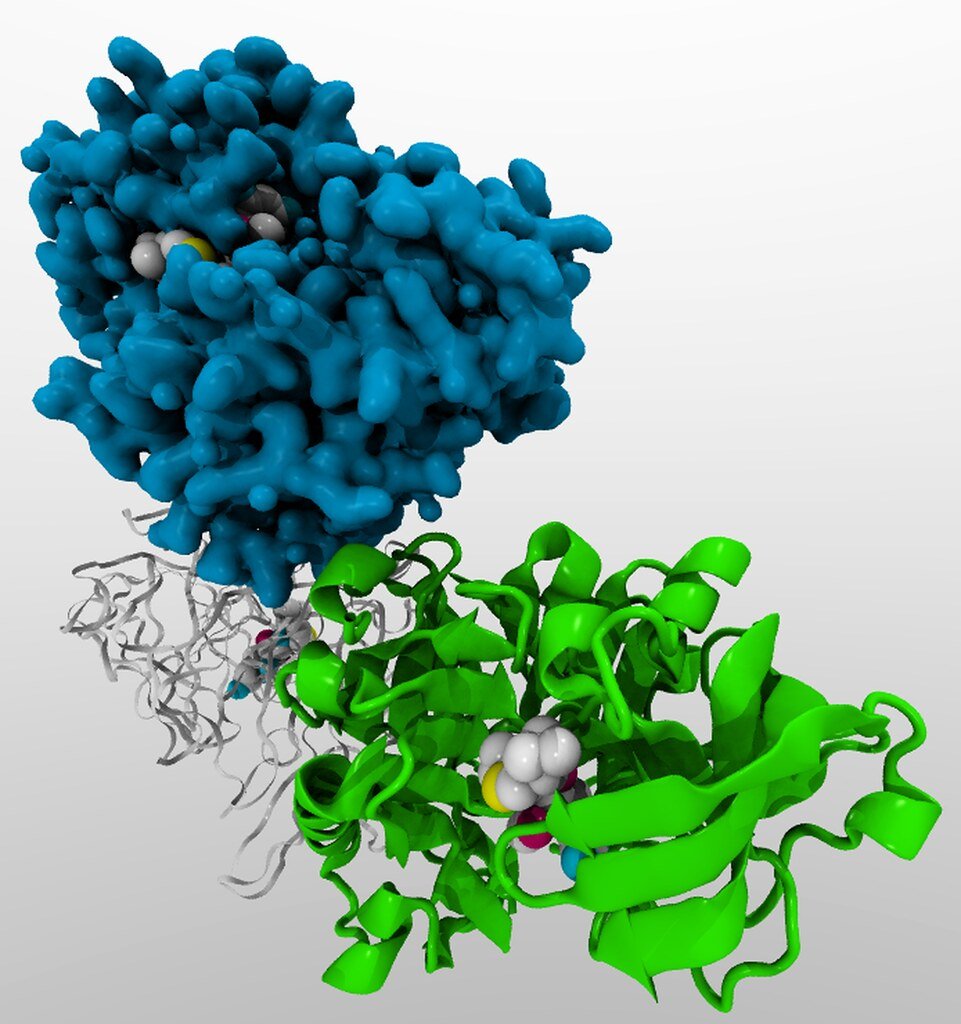
A recent review published in Signal Transduction and Targeted Therapy, a Nature-affiliated journal, takes a comprehensive look at the state of therapeutic peptides today—and the news is encouraging. Peptides, the small chains of amino acids that sit between traditional small-molecule drugs and larger biologics, have quietly become one of the most versatile and successful classes of medicine in modern pharmacology.
The review highlights how peptide-based therapies are already making a meaningful difference across a wide range of conditions, including metabolic disorders, cancer, and chronic disease management. Their unique combination of high specificity, relatively low toxicity, and efficient manufacturing has made them an increasingly attractive option for researchers and drug developers alike. Unlike many conventional drugs, peptides can be engineered to precisely target specific receptors or pathways, often resulting in fewer off-target effects.
Perhaps most exciting is the forward-looking portion of the review, which explores emerging innovations poised to expand what peptide therapeutics can do. Advances in chemical modification techniques—such as cyclization, stapling, and novel delivery systems—are helping scientists overcome historical challenges like short half-life and poor oral bioavailability. These improvements mean future peptide drugs could be longer-lasting, easier to administer, and effective against an even broader range of diseases.
The authors also point to the growing synergy between peptide science and advanced technologies like artificial intelligence and computational modeling. These tools are accelerating the design process, allowing researchers to predict peptide behavior and optimize candidates faster than ever before. This convergence of biology and technology suggests the pipeline for new peptide therapeutics is likely to keep accelerating in the years ahead.
Taken together, the review paints an optimistic picture of a field that has already delivered real clinical benefits and shows no signs of slowing down. As research continues to refine peptide design and delivery, patients may benefit from an expanding array of treatment options that are more targeted, better tolerated, and tailored to specific health needs. This article is for informational purposes only and is not medical advice.
Curated by True North Labs. More at truenorthlabs.co. Informational only – not medical advice.
Leave a Reply