Category: Research

  • Ascletis Receives FDA Clearance to Begin Phase I Trial of Once-Monthly Obesity Peptide ASC35

    Ascletis Pharma has announced that the U.S. Food and Drug Administration has cleared its Investigational New Drug (IND) application for ASC35, paving the way for a Phase I clinical trial in the United States. ASC35 is a dual agonist peptide designed to activate both the GLP-1 receptor and the GIP receptor, two pathways that have become central to modern approaches for weight management and metabolic health.

    What makes ASC35 particularly noteworthy is its once-monthly subcutaneous dosing schedule. Many currently available GLP-1-based therapies require weekly injections, so a treatment that could maintain efficacy with monthly administration may offer a meaningful convenience advantage for patients seeking long-term obesity management. Reduced dosing frequency has the potential to support easier treatment adherence, which is often a key factor in the long-term success of chronic disease management programs.

    The clearance of the IND application represents an important regulatory milestone, allowing Ascletis to move ASC35 from preclinical research into human testing. Phase I trials typically focus on evaluating safety, tolerability, and pharmacokinetics in a small group of participants, laying the groundwork for larger studies that would further assess effectiveness in the target patient population.

    The dual-agonist approach targeting both GLP-1 and GIP receptors builds on a growing body of scientific interest in incretin-based therapies for metabolic conditions. By engaging two complementary hormonal pathways, dual agonists like ASC35 aim to build on the therapeutic strategies already showing promise in the obesity treatment space, potentially broadening the range of options available to patients and physicians in the future.

    As this Phase I study gets underway, the peptide therapeutics field continues to see steady progress toward more convenient and effective options for individuals managing obesity. Continued clinical development will be needed to determine how ASC35 performs in terms of safety and effectiveness, but this regulatory clearance marks an encouraging step forward in that process. This article is for informational purposes only and is not medical advice.


    Curated by True North Labs. More at truenorthlabs.co. Informational only – not medical advice.

    Source: Ascletis Announces U.S. FDA IND Clearance for Phase I Study of Once-Monthly Subcutaneously Administered GLP-1R/GIPR Dual Peptide Agonist, ASC35, for the Treatment of Obesity – PR Newswire

  • Croatian Scientists’ 1990s Peptide Discovery Gains Mainstream Attention in the US

    Croatian Scientists’ 1990s Peptide Discovery Gains Mainstream Attention in the US

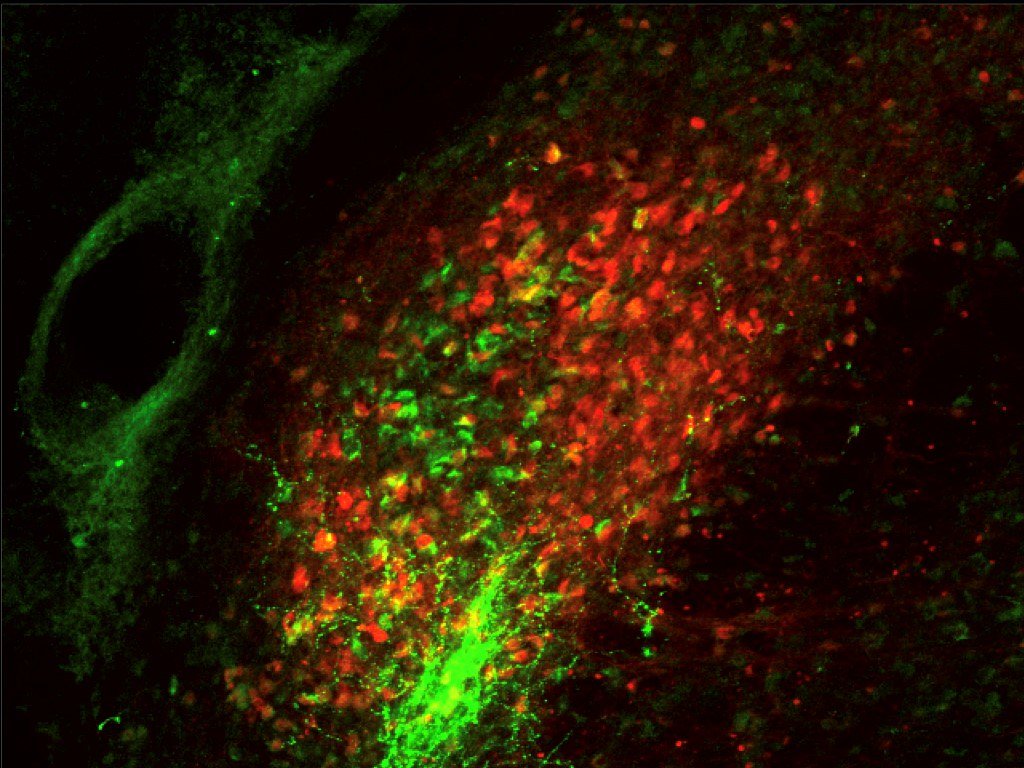
    A peptide compound first identified by researchers in Croatia during the 1990s is now experiencing a surge of interest in the United States, bringing renewed attention to the scientists whose early work laid the groundwork for today’s growing peptide research landscape. The story is a reminder that scientific breakthroughs often take unexpected paths before reaching wider recognition.

    The original research, conducted decades ago, explored the properties of a peptide that has since become a subject of interest among researchers and wellness communities alike. As peptide science has expanded rapidly in recent years, driven by advances in synthesis, delivery methods, and a broader understanding of how peptides interact with biological systems, older discoveries like this one are being revisited with fresh eyes and modern tools.

    This kind of cross-generational, cross-border scientific journey highlights something important about the peptide field: foundational research doesn’t lose its value with time. Instead, it often becomes the seed for new investigations, product development, and clinical curiosity years or even decades later. The Croatian team’s early work is now part of a larger conversation happening among scientists, biotech companies, and consumers in the US who are increasingly curious about peptide-based approaches to health and performance.

    For the original researchers, seeing their work move into the spotlight after so many years is a meaningful validation of their early scientific instincts. It also underscores the collaborative, global nature of peptide science, where discoveries made in one country can ripple outward and influence research and innovation elsewhere. As more attention flows toward this compound, it may encourage renewed academic interest, further studies, and a deeper understanding of its properties and potential applications.

    Stories like this help illustrate the long arc of scientific progress, showing how patience, curiosity, and rigorous early research can eventually pay dividends far beyond their original context. As the peptide field continues to grow, we may see more instances of overlooked or under-recognized discoveries finding new audiences and applications.

    This article is for informational purposes only and is not intended as medical advice.


    Curated by True North Labs. More at truenorthlabs.co. Informational only – not medical advice.
    Source: Croatian researchers thrust into limelight as their 1990s’ peptide discovery goes mainstream in the US – Chemistry World

  • Retatrutide: What Emerging Research Suggests About This Promising Investigational Peptide

    Retatrutide: What Emerging Research Suggests About This Promising Investigational Peptide

    Retatrutide has become one of the most talked-about investigational peptides in metabolic health research. Unlike single-target therapies, retatrutide is designed to activate three different receptors—GLP-1, GIP, and glucagon—giving it a unique triple-action mechanism that researchers believe may offer more comprehensive metabolic benefits than existing options.

    Early-phase clinical trials have generated considerable interest because of the magnitude of weight loss observed among participants, along with encouraging signals related to blood sugar regulation and other markers of metabolic health. Because retatrutide engages multiple hormonal pathways involved in appetite regulation, energy expenditure, and glucose metabolism, scientists are optimistic that it could eventually complement or expand the toolkit available for supporting healthy weight management.

    Beyond weight-related outcomes, researchers are also examining how the combined receptor activity of retatrutide might influence other aspects of metabolic function, including lipid profiles and liver fat content. While these areas of investigation are still developing, the breadth of potential benefits being studied reflects the growing scientific enthusiasm surrounding multi-receptor agonist peptides as a promising direction for future therapies.

    It’s important to note that retatrutide remains an investigational compound, meaning it has not yet completed the full clinical trial and regulatory approval process required for widespread medical use. Continued research, including larger and longer-duration studies, will help clarify its long-term safety profile and confirm the benefits observed so far. The scientific community will be watching closely as more data becomes available in the coming years.

    The ongoing research into retatrutide highlights how innovation in peptide science continues to open new possibilities for metabolic health. As with any emerging therapy, patience and rigorous science are essential before it can become part of standard care.

    This article is for informational purposes only and is not intended as medical advice.


    Curated by True North Labs. More at truenorthlabs.co. Informational only – not medical advice.

    Source: Potential Retatrutide Benefits You Should Know About – GoodRx

  • San Diego Biotech Deal Brings Up to $100M Per Target to Peptide Drug Discovery

    San Diego Biotech Deal Brings Up to $100M Per Target to Peptide Drug Discovery

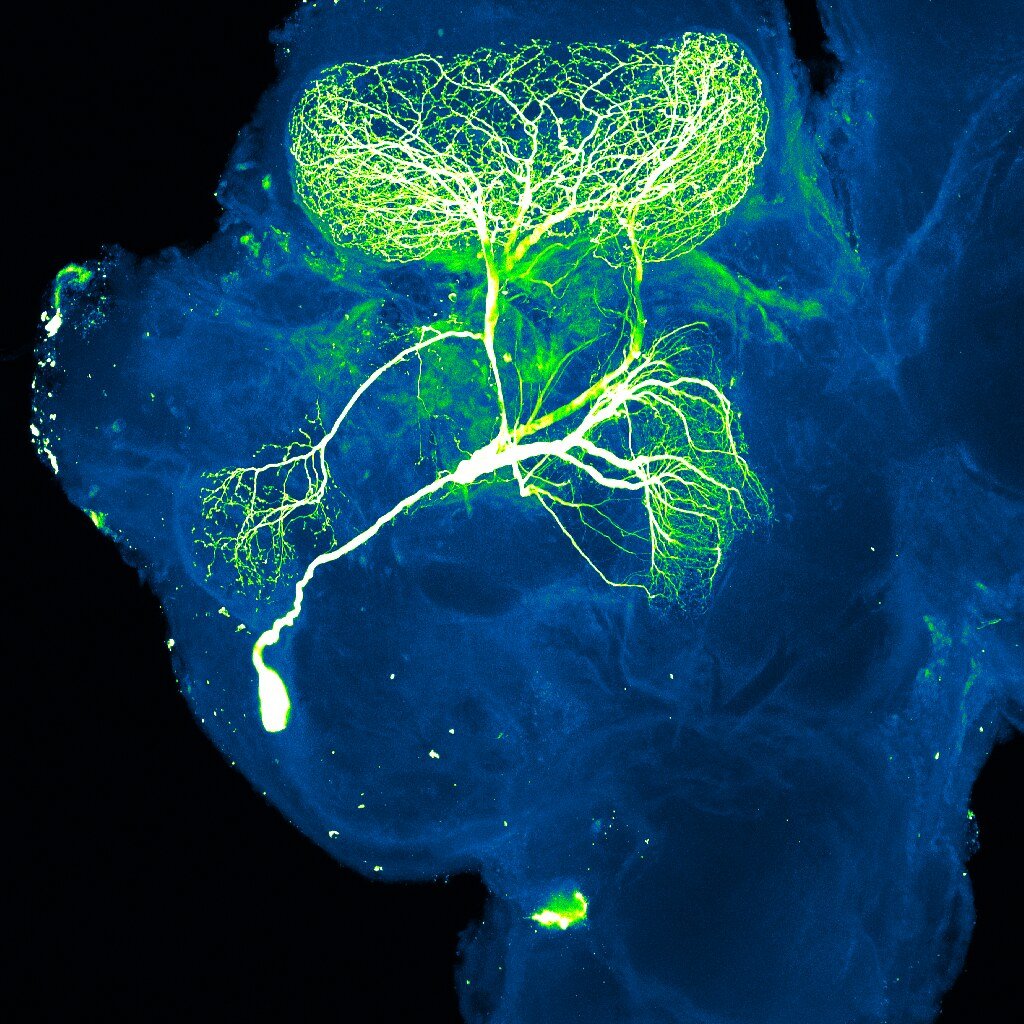
    The peptide therapeutics field continues to attract significant investment, with San Diego-based Aizen recently announcing a partnership structured to deliver up to $100 million per target. Deals of this scale reflect growing confidence from the biotech and pharmaceutical industries in the potential of peptide-based drug candidates to address unmet medical needs.

    While specific details about the therapeutic targets remain closely tied to ongoing research and development plans, the size and structure of this agreement highlight a broader trend: peptides are increasingly viewed as a promising modality for developing precise, targeted treatments. San Diego has long been a hub for biotech innovation, and deals like this reinforce the region’s role in advancing peptide science from the lab toward potential clinical applications.

    Substantial per-target funding arrangements like this one are particularly meaningful because they provide the resources needed to move peptide candidates through the lengthy and expensive process of discovery, optimization, and preclinical testing. This kind of capital infusion can accelerate timelines, allowing promising peptide compounds to reach the stage of clinical trials more efficiently than might otherwise be possible with more limited funding.

    For the broader peptide research community, news of major investment deals serves as an encouraging signal. It suggests that industry leaders continue to see strong scientific and commercial potential in peptide therapeutics across a range of possible applications. As more capital flows into this space, it may help support continued innovation, new discoveries, and eventually a wider array of treatment options for patients.

    As with any early-stage biotech partnership, it will take time before we know which specific therapeutic targets emerge from this collaboration or what the eventual clinical outcomes might be. True North Labs will continue to monitor developments in the peptide research space and share updates as they unfold. This article is for informational purposes only and is not medical advice.


    Curated by True North Labs. More at truenorthlabs.co. Informational only – not medical advice.
    Source: Aizen Raises Up to $100M Per Target in San Diego Biotech Peptide Deal – The Clinical Trial Vanguard

  • GV1001 Peptide Shows Promise Against Alzheimer’s Disease in Mouse Study

    GV1001 Peptide Shows Promise Against Alzheimer’s Disease in Mouse Study

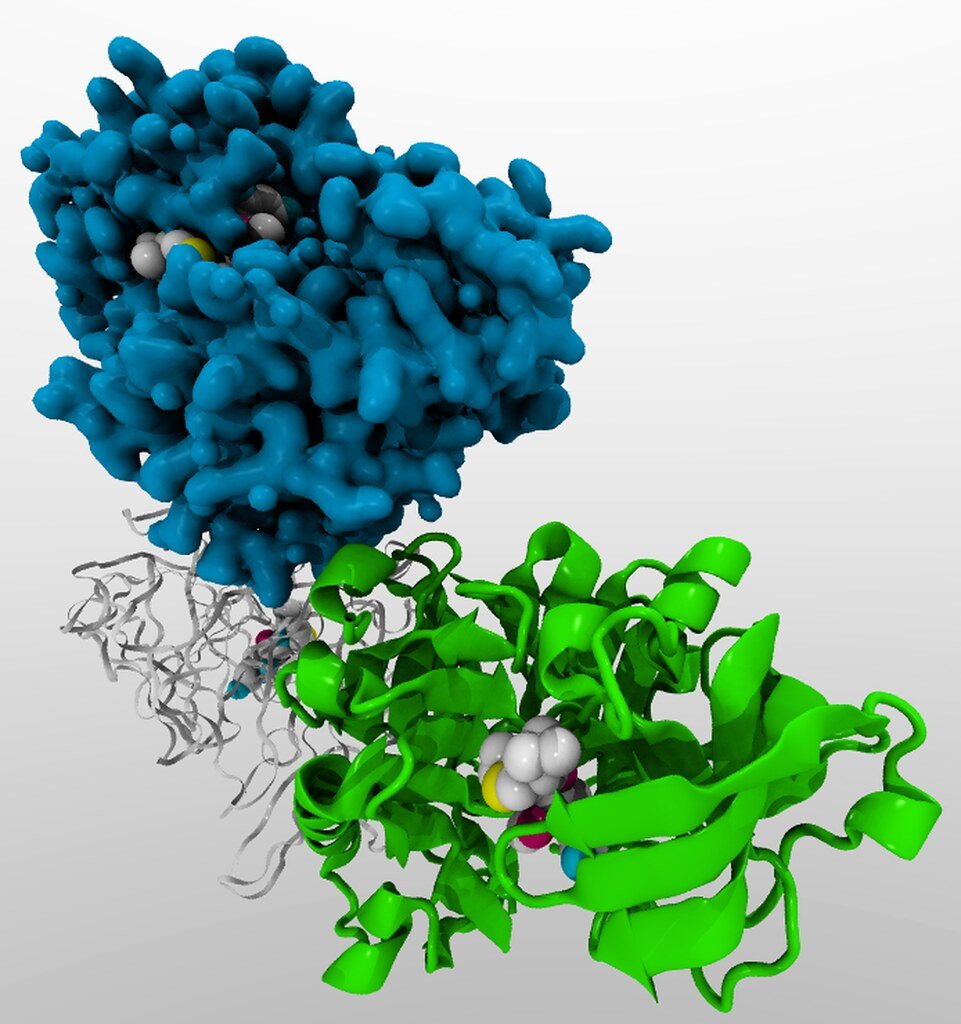
    Researchers publishing in Experimental & Molecular Medicine have reported that GV1001, a peptide derived from human telomerase reverse transcriptase, was able to rescue signs of neurodegeneration in a mouse model of Alzheimer’s disease. The study adds to a growing body of research exploring how peptide-based approaches might help address the complex biological changes seen in neurodegenerative conditions.

    GV1001 has previously been studied for its potential roles in cellular protection and immune modulation, but this new work focused specifically on its effects within the brain. In the mouse model used to mimic aspects of Alzheimer’s disease, treatment with the peptide was associated with improvements in markers of neurodegeneration, suggesting that it may help support neuronal health under disease-related stress.

    While the exact mechanisms are still being investigated, the researchers point to GV1001’s known biological activities—including potential effects on cellular stress responses—as possible explanations for the observed benefits. Alzheimer’s disease remains one of the most challenging conditions to treat, largely because it involves multiple overlapping processes, including protein aggregation, inflammation, and progressive neuronal loss. Any research pathway that shows measurable improvement in animal models is considered a meaningful step forward by the scientific community.

    It’s important to note that this research was conducted in a mouse model, and translating findings from animal studies to human treatments is a long and rigorous process involving further preclinical work and, eventually, human clinical trials. Still, this study contributes valuable insight into how telomerase-derived peptides might be leveraged in future neuroscience research, and it opens the door to further investigation into GV1001’s potential role in supporting brain health.

    As with all emerging peptide research, these findings are early-stage and highlight promising directions rather than ready-to-use treatments. This article is for informational purposes only and is not medical advice.


    Curated by True North Labs. More at truenorthlabs.co. Informational only – not medical advice.
    Source: A human telomerase reverse transcriptase-derived peptide GV1001 rescues neurodegeneration in a mouse model of Alzheimer disease | Experimental & Molecular Medicine – nature.com

  • GV1001 Peptide Shows Promise Against Neurodegeneration in Alzheimer’s Mouse Study

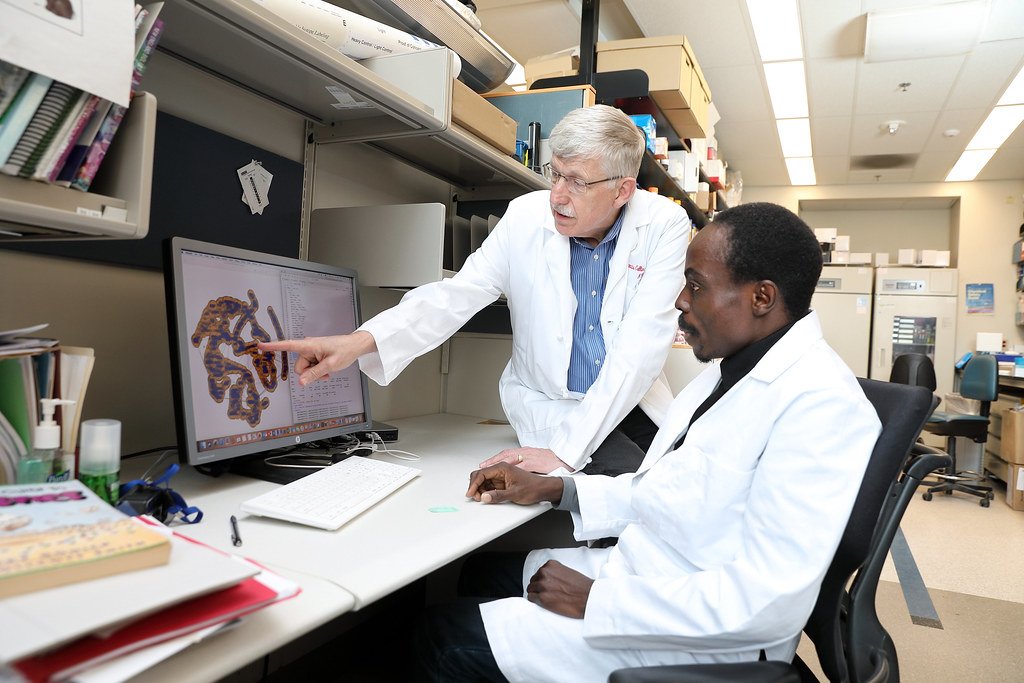
    Researchers have published encouraging findings in Experimental & Molecular Medicine describing how GV1001, a peptide derived from human telomerase reverse transcriptase, was able to rescue signs of neurodegeneration in a mouse model of Alzheimer’s disease. The study adds to a growing body of research exploring how peptide-based approaches might one day help address the underlying biology of neurodegenerative conditions rather than just their symptoms.

    GV1001 has an interesting history: it was originally studied as a cancer vaccine candidate because of its connection to telomerase activity, but scientists have increasingly discovered that this same peptide appears to have protective effects on cells under stress, including neurons. In this latest mouse study, the peptide appeared to counteract markers of neurodegeneration, suggesting it may help preserve brain cell health or function in the presence of Alzheimer’s-related pathology.

    What makes this finding particularly exciting is the possibility that a single peptide with a well-characterized safety profile from prior cancer research could be repurposed for an entirely different and pressing medical need. Alzheimer’s disease remains one of the most challenging conditions in medicine, with limited treatment options that meaningfully alter its course. Any research pointing toward new mechanisms of neuroprotection is a welcome development for the field.

    While this work was conducted in mice and will need to be followed by further research, including studies to confirm how GV1001 exerts its protective effects and whether similar benefits could translate to humans, it represents a meaningful step forward. Peptide-based therapeutics continue to expand into new therapeutic areas, and findings like this help illustrate the versatility of these molecules beyond their original intended use.

    As with all early-stage research, continued studies will be needed to fully understand GV1001’s potential role in neurodegenerative disease. This article is for informational purposes only and is not intended as medical advice.


    Curated by True North Labs. More at truenorthlabs.co. Informational only – not medical advice.
    Source: A human telomerase reverse transcriptase-derived peptide GV1001 rescues neurodegeneration in a mouse model of Alzheimer disease | Experimental & Molecular Medicine – Nature

  • Tesamorelin: A Standout Example of an FDA-Approved Peptide Success Story

    Tesamorelin: A Standout Example of an FDA-Approved Peptide Success Story

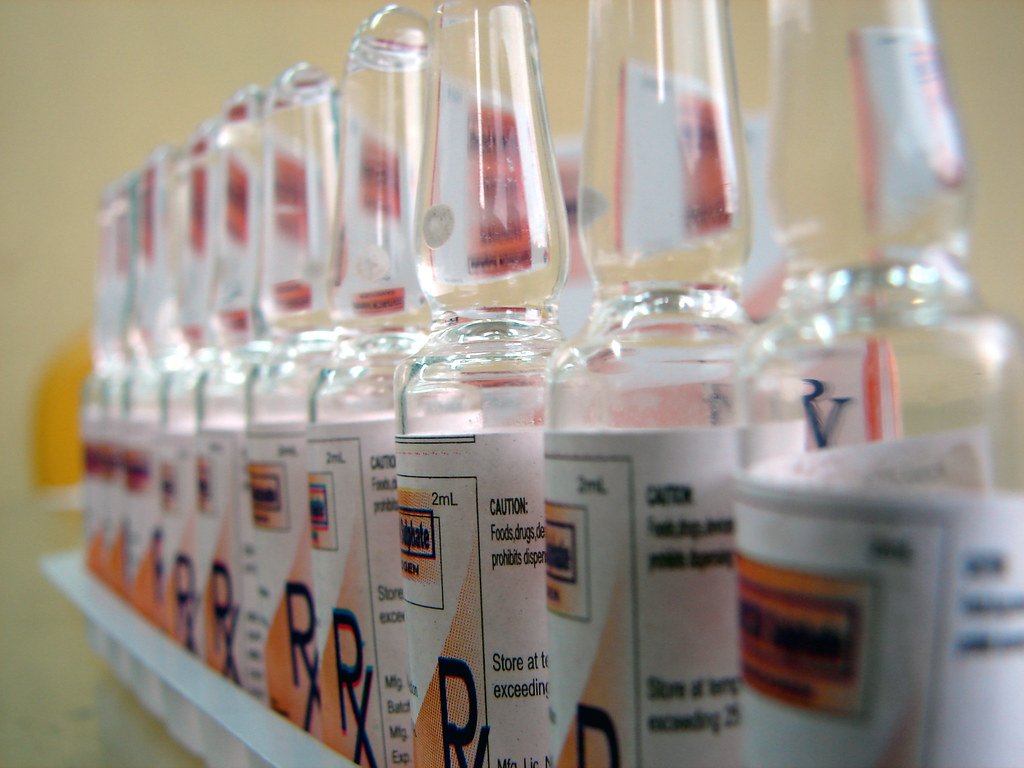
    Tesamorelin holds a distinctive place in the world of peptide science: it is one of the relatively few peptides to have earned full FDA approval, giving it a level of regulatory validation that many other investigational peptides have yet to achieve. As a growth hormone-releasing hormone (GHRH) analog, tesamorelin works by stimulating the body’s own natural growth hormone production pathways rather than introducing synthetic growth hormone directly, an approach that reflects a broader shift toward more physiologically-guided peptide therapies.

    What makes tesamorelin particularly noteworthy for peptide researchers and clinicians is its documented path through clinical trials and regulatory review. Unlike many peptides that remain in early research or compounding-pharmacy gray areas, tesamorelin’s approval process means it has been subject to the rigorous safety and efficacy standards the FDA requires. This track record serves as a useful reference point for how peptide-based therapies can successfully navigate the regulatory system when supported by solid clinical evidence.

    Its unique mechanism, working upstream to encourage the body’s natural hormone signaling rather than overriding it, has also made tesamorelin a frequently cited example in discussions about the future direction of peptide therapeutics. Researchers studying growth hormone pathways often point to it as a model for how targeted, receptor-specific peptides can be designed with a clear physiological rationale.

    For the peptide research community, tesamorelin’s story is an encouraging signal. It demonstrates that with proper trial design and regulatory diligence, peptide-based approaches can move from promising laboratory concepts to approved clinical tools. As interest in GHRH analogs and related peptides continues to grow, tesamorelin stands as a benchmark for what a well-supported, thoroughly vetted peptide therapy can look like.

    This article is for informational purposes only and is not intended as medical advice. Anyone interested in learning more about tesamorelin or peptide therapies should consult a qualified healthcare provider.


    Curated by True North Labs. More at truenorthlabs.co. Informational only – not medical advice.
    Source: Tesamorelin Explained: The FDA-Approved GHRH Analog That Sits in a Unique Position in Peptide Research – Haute Living

  • Understanding C-Peptide: A Key Biomarker Advancing Type 1 Diabetes Research

    Understanding C-Peptide: A Key Biomarker Advancing Type 1 Diabetes Research

    Researchers and clinicians studying type 1 diabetes (T1D) increasingly rely on a small but informative molecule called C-peptide to track how much insulin-producing capacity a person’s body still has. Because C-peptide is released in equal amounts alongside naturally produced insulin, measuring it gives scientists a reliable window into beta-cell activity—even in people who are taking insulin therapy themselves.

    This distinction matters because it allows researchers to separate a person’s own insulin production from injected or pump-delivered insulin. That clarity has become especially valuable in clinical trials aimed at preserving or restoring beta-cell function, since C-peptide levels can show whether a new treatment is helping the pancreas maintain its own insulin-making ability over time.

    Advocacy and research organizations focused on type 1 diabetes have highlighted C-peptide testing as a practical tool that is already being used in studies of immunotherapies, beta-cell replacement approaches, and other emerging treatments. By giving researchers a consistent, measurable marker, C-peptide helps make trial results more meaningful and comparable across different studies and patient groups.

    For people living with T1D, this kind of biomarker research is an encouraging sign of how the field is maturing. Better measurement tools mean that promising new therapies can be evaluated more precisely, potentially speeding up the path from early-stage research to real-world treatment options. It also reflects a broader trend in diabetes science: using biological signals the body already produces to guide the development of smarter, more targeted interventions.

    As research continues, C-peptide is likely to remain a valuable reference point for scientists working to understand—and eventually protect or restore—natural insulin production in people with type 1 diabetes. This article is for informational purposes only and is not medical advice.


    Curated by True North Labs. More at truenorthlabs.co. Informational only – not medical advice.

    Source: C-peptide: Everything You Need to Know – Breakthrough T1D

  • Report Projects Continued Growth for Global Peptide Therapeutics Market Through 2035

    Report Projects Continued Growth for Global Peptide Therapeutics Market Through 2035

    A recently published market analysis outlines projected growth for the global peptide therapeutics industry through 2035, adding to a growing body of industry reports tracking this segment of the pharmaceutical and biotechnology sectors. While specific figures vary across research firms, such reports generally point to steady expansion driven by increased research funding, a growing pipeline of peptide-based candidates, and wider interest from pharmaceutical companies in peptide chemistry as a drug development platform.

    Peptide therapeutics are short chains of amino acids designed to interact with specific biological targets, such as receptors or enzymes, in the body. Because they can offer a balance between the specificity of large biologic drugs and the manufacturability of small-molecule chemicals, peptides have attracted sustained interest for conditions ranging from metabolic disorders to oncology and rare diseases. Advances in synthesis techniques, delivery methods, and stability improvements have also made peptides more attractive to drug developers compared to earlier decades, when rapid breakdown in the body limited their practical use.

    Market research reports like this one typically compile data from public financial disclosures, clinical trial registries, patent filings, and industry surveys to estimate current market size and forecast future trends. These projections are commonly used by investors, pharmaceutical companies, and policymakers to gauge where research and manufacturing investment may be headed. However, such forecasts are inherently estimates and can be influenced by assumptions about regulatory approvals, manufacturing capacity, and broader economic conditions, meaning actual outcomes may differ from projected figures.

    Several factors are frequently cited across industry analyses as contributing to interest in the peptide therapeutics space. These include the continued expansion of peptide-based treatments for metabolic and weight-related conditions, ongoing research into peptide applications for autoimmune and inflammatory diseases, and improvements in manufacturing processes that have historically made peptide production more costly than small-molecule drugs. Growth in contract manufacturing and biotechnology infrastructure in various regions has also been noted as a supporting factor in some reports.

    For readers following the peptide space, market size reports offer a useful, if broad, snapshot of where commercial and research attention is concentrated, though they should be distinguished from clinical or regulatory developments regarding any individual peptide compound. As with any industry forecast, the numbers reflect modeled projections rather than guaranteed outcomes, and actual market developments will depend on future research results, regulatory decisions, and shifts in healthcare policy.

    This article is for informational purposes only and does not constitute medical advice.


    Curated by True North Labs. More at truenorthlabs.co. Informational only — not medical advice.

    Source: Peptide Therapeutics Market Size & Global Trends [2035] – Market Research Future

  • Peptide and Nanobody Drug Conjugates Gain Momentum as Targeted Therapy Platforms

    Drug conjugates—molecules that pair a targeting component with a therapeutic payload—have long been dominated by antibody-drug conjugates (ADCs), which use full-sized antibodies to guide cytotoxic agents to cancer cells. Recent industry coverage points to a rapid expansion of a related but distinct approach: conjugates built on peptides and nanobodies, smaller molecular scaffolds that can offer some advantages over conventional antibodies while introducing their own design considerations.

    Peptides are short chains of amino acids that can be engineered to bind selectively to receptors or proteins found on particular cell types. Nanobodies, derived from the single-domain antibody fragments found in camelid species such as llamas and alpacas, retain antigen-binding capability but are a fraction of the size of standard antibodies. Because both formats are smaller and structurally simpler than full antibodies, they can potentially penetrate tissues more readily, be manufactured through more straightforward chemical or biological processes, and be engineered with greater flexibility in how a payload is attached.

    These properties have made peptide and nanobody conjugates attractive across a range of applications, including oncology, imaging, and other disease areas where precise delivery of a drug or diagnostic agent to a specific tissue is important. Proponents of the approach suggest that smaller targeting molecules may reduce certain manufacturing complexities associated with large antibody proteins, while still allowing for conjugation to cytotoxic drugs, radioisotopes, or other therapeutic payloads. At the same time, smaller scaffolds can face their own hurdles, such as shorter circulation times in the body, which developers address through chemical modifications or formulation strategies.

    The reported growth in this space suggests increasing interest from biotechnology and pharmaceutical developers in diversifying the toolkit used for targeted therapies beyond traditional ADCs. As with any emerging drug class, peptide and nanobody conjugates must still progress through preclinical evaluation and clinical trials to establish safety and efficacy before they can be considered for broader use. Researchers continue to study how factors like binding affinity, linker chemistry, and payload selection influence performance, and regulatory pathways for these newer conjugate formats are still being clarified as more candidates advance through development.

    Overall, the expansion of peptide and nanobody drug conjugates illustrates a broader trend in pharmaceutical research: the search for targeting platforms that balance precision, manufacturability, and adaptability. Whether these approaches will match or complement the clinical track record established by antibody-drug conjugates remains an active area of investigation as more candidates move through trials. This article is for informational purposes only and is not intended as medical advice.


    Curated by True North Labs. More at truenorthlabs.co. Informational only — not medical advice.

    Source: Rapid Expansion Of Peptide And Nanobody Drug Conjugates – Clinical Leader