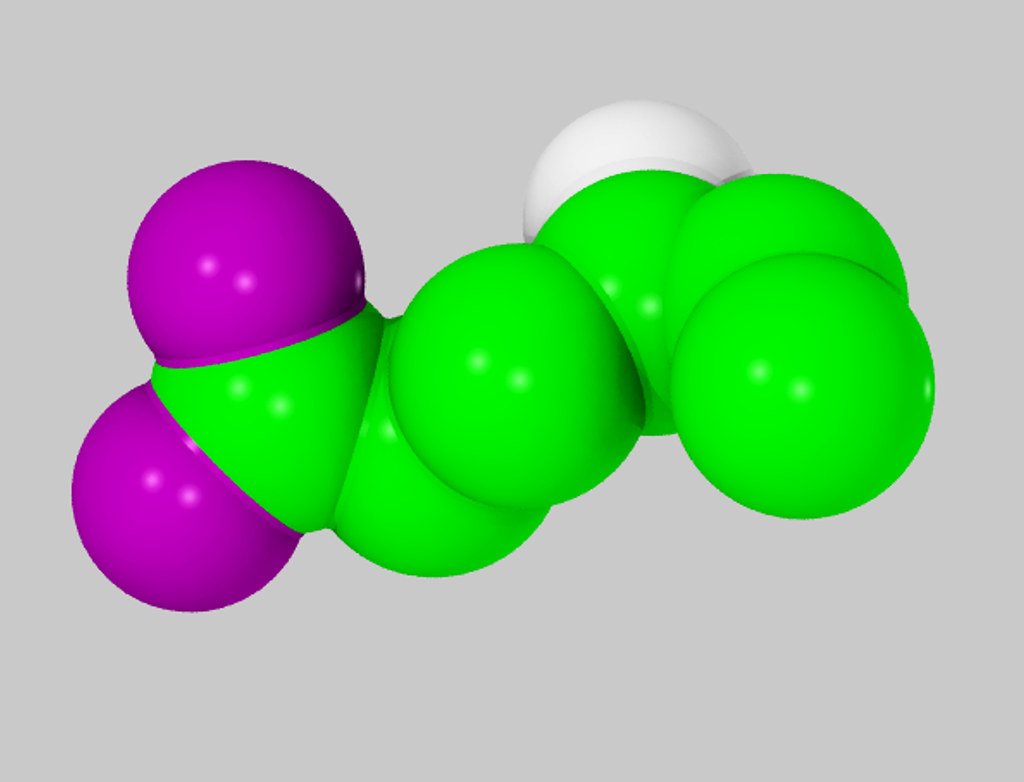
Researchers have used computational modeling to explore how peptides generated from the digestion of casein—a major milk protein—by the plant enzyme bromelain might support brain health. The study, highlighted by Bioengineer.org, identified potential interactions between these peptide fragments and biological targets associated with neuroprotection, offering a promising new angle for peptide research derived from everyday food sources.
Bromelain, an enzyme naturally found in pineapple stems, is already known for its ability to break down proteins into smaller peptide chains. When applied to casein, this process yields a variety of bioactive peptides, some of which have previously been studied for antioxidant and anti-inflammatory properties. This new computational work takes that research a step further by modeling how specific casein-derived peptide sequences might interact with molecular pathways relevant to protecting neurons from stress and damage.
Using in-silico techniques—essentially simulating molecular interactions with computer models rather than lab experiments—the researchers were able to predict which peptide structures might bind effectively to targets involved in neuroprotective signaling. This approach allows scientists to efficiently narrow down which peptides are worth pursuing in future laboratory and animal studies, potentially saving significant time and resources in the early stages of research.
While computational predictions are not the same as confirmed biological effects, this kind of groundwork is an important and encouraging first step. It builds on a growing body of interest in food-derived bioactive peptides, which are gaining attention for their accessibility and potential to support health using naturally occurring compounds found in everyday diets. If these predicted interactions are validated through further experimental research, bromelain-digested casein peptides could eventually contribute to a new class of nutrition-based approaches aimed at supporting brain health.
This study adds to the expanding and optimistic field of peptide science, where researchers continue to uncover beneficial properties hidden within common proteins. As computational tools become more sophisticated, they are helping scientists identify promising peptide candidates faster than ever before, paving the way for future innovations in neuroprotective research.
This article is for informational purposes only and is not intended as medical advice.
Curated by True North Labs. More at truenorthlabs.co. Informational only – not medical advice.
Leave a Reply